


Shower and tub
Why your shower drain slows down a little every week
Nobody notices the first week. The water takes a few seconds longer to leave the tub, then a little longer again, and one morning you are standing in an inch of it. A slow shower drain almost never fails all at once. It closes up the way a sieve does, one strand at a time.
Where the hair stops
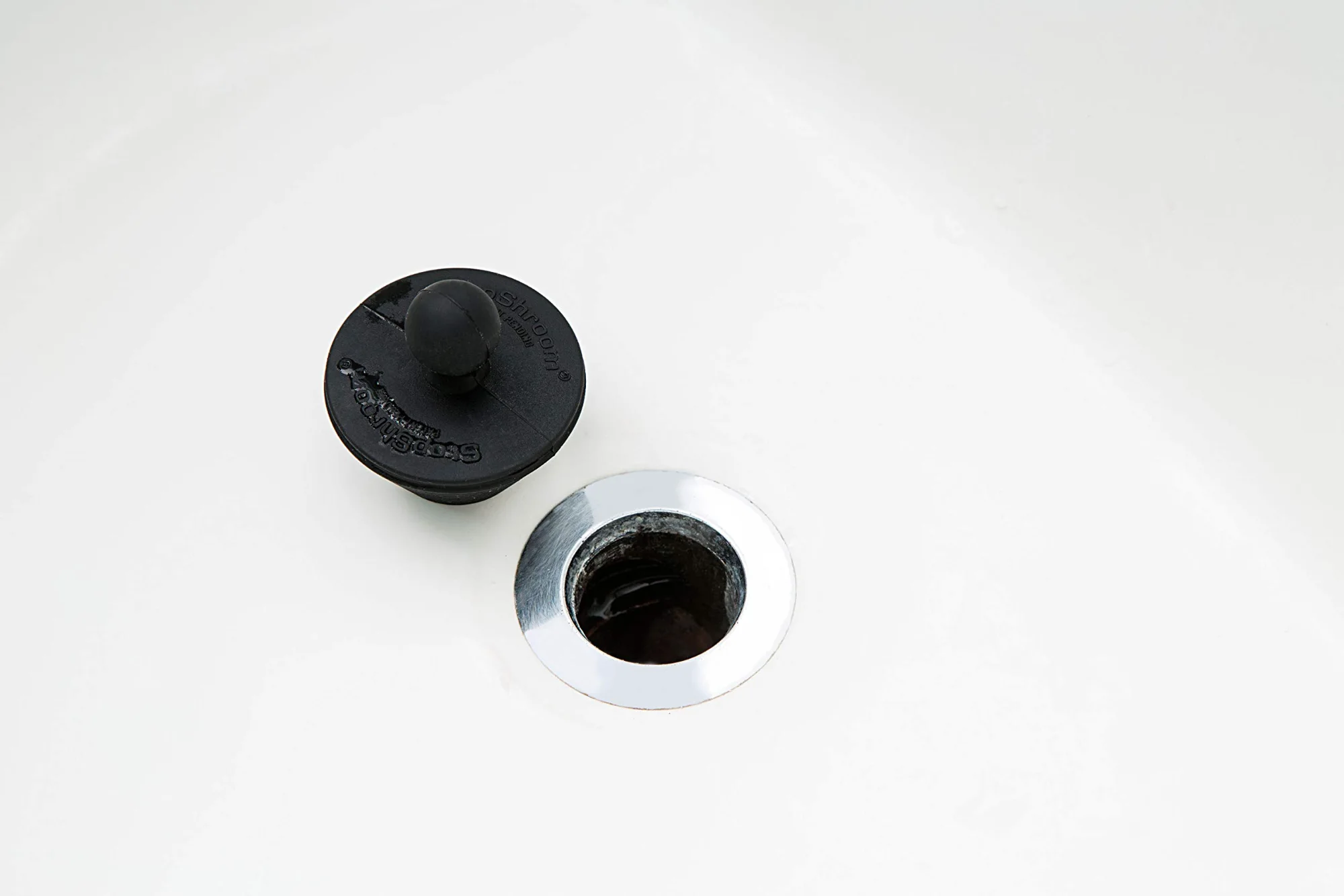
A strand of hair is light and long. Loose in the water, it rides the current straight into the drain, and it keeps going until it meets something it can wrap around. In a bathtub that is usually the crossbar, the metal cross a few inches down that holds the stopper. In a sink it is the pop-up stopper rod. In a stall shower it is the edge of the grate and the bend just below it.
One hair on a crossbar does nothing. But hair holds hair: the next strand catches on the first, and after a few weeks there is a loose rope hanging into the pipe. That rope is what slows the water, and it is out of sight, so a strainer lying on top of the drain does not show you how much has gathered below it.
What soap adds
Hair alone would rinse through more often than it does. Soap and conditioner leave a film on the inside of the pipe and on the hair itself, and the rope of hair gets heavier and stickier. Long hair, a dog washed in the tub, a family that showers back to back: each makes the rope grow faster.
| Drain | Where hair collects | What slows it first |
|---|---|---|
| Bathtub | The crossbar under the stopper | A rope of hair hanging from the cross |
| Flat shower floor | Under the round cover | Hair and soap matted below the cover |
| Stand-up stall | The edge of the grate and the opening below | A tangle wedged under the grate |
| Bathroom sink | The pop-up stopper rod | Hair and toothpaste on the rod |
Why a catcher goes inside, not on top
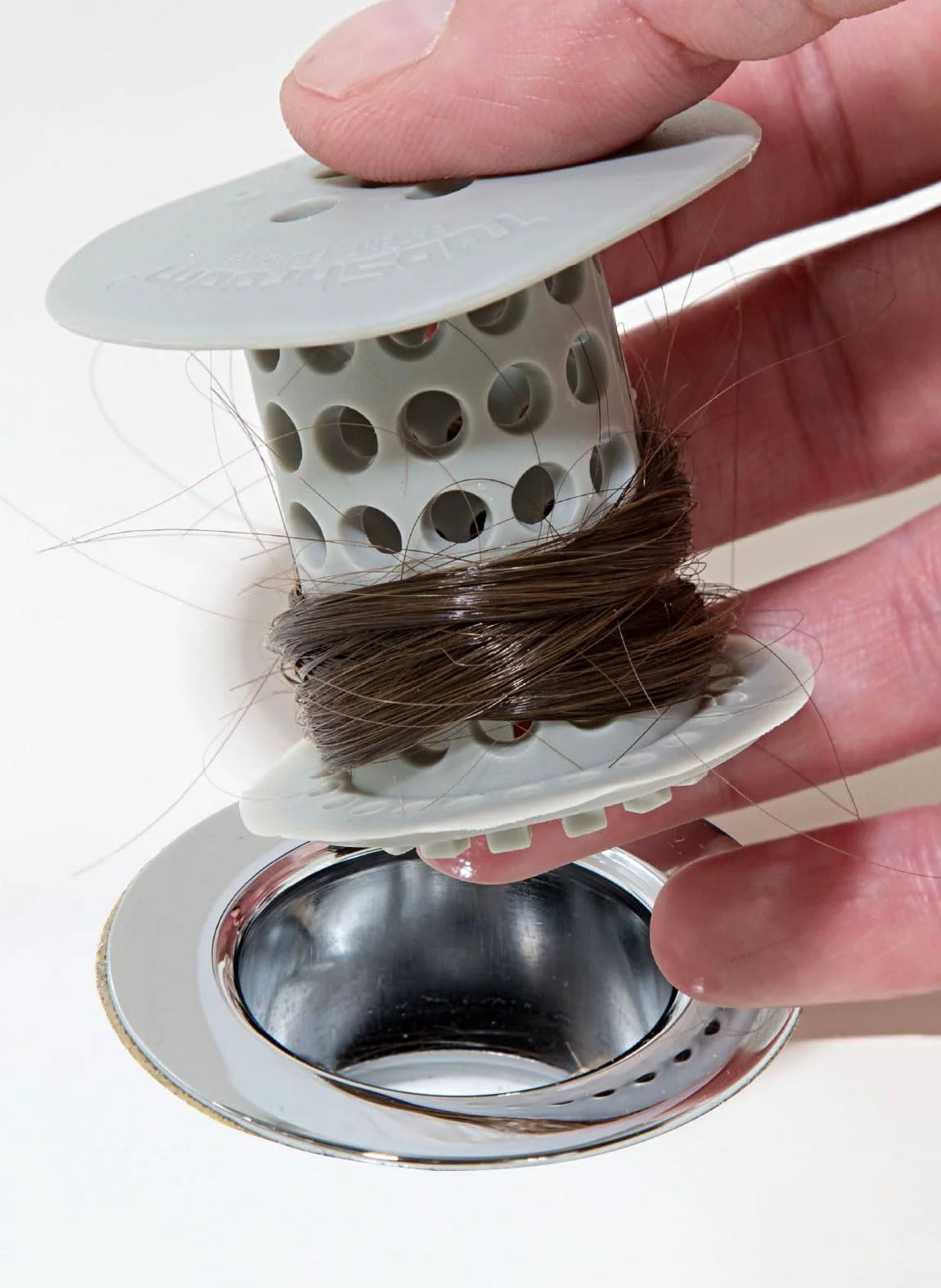
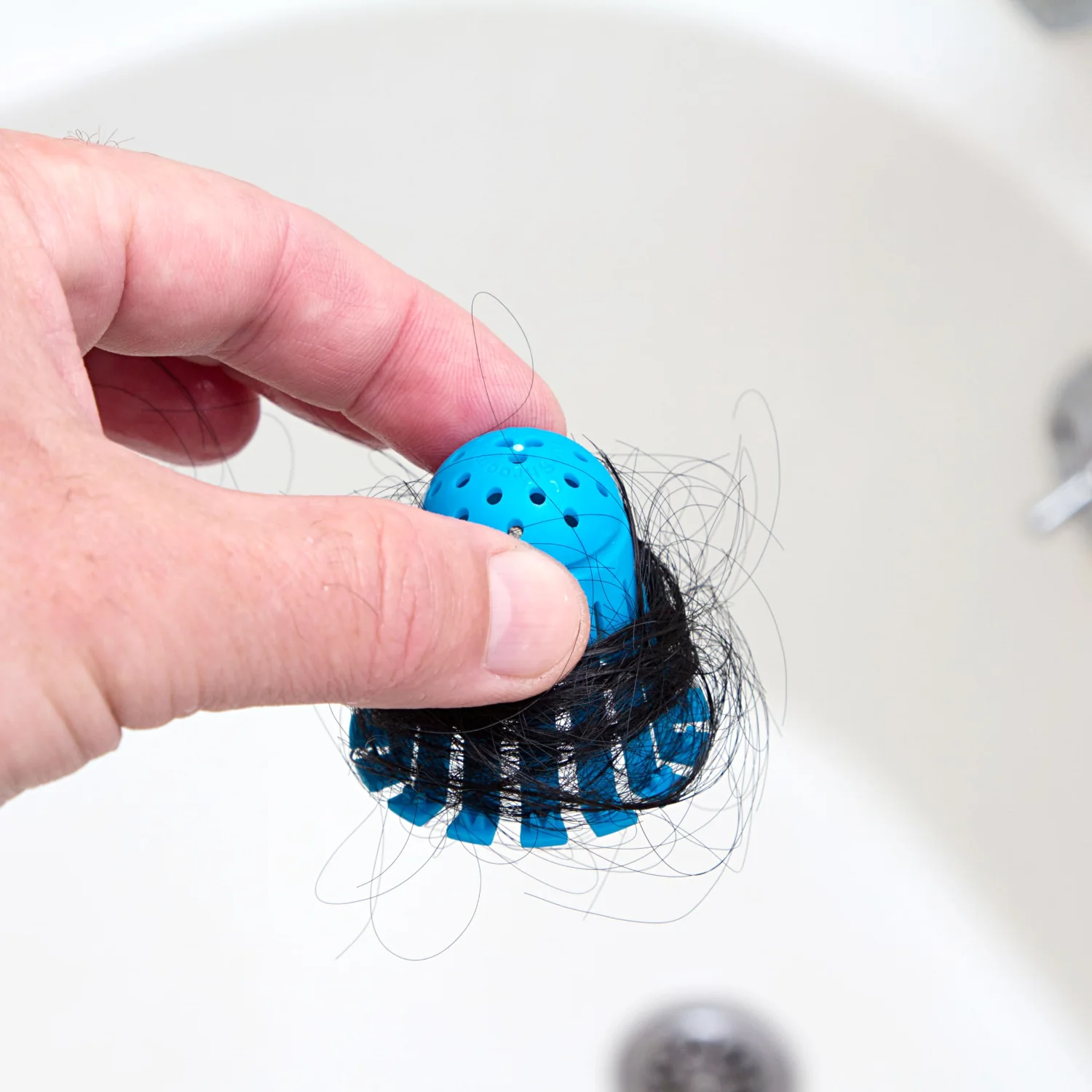
A flat strainer on top of the drain collects whatever reaches it, in plain view, and the mat it builds slows the water across the whole surface. A catcher that sits a little way down inside the drain works the other way round. The water runs around its cap, and the hair does what it would have done on the crossbar: it winds around the stem. The difference is that you can lift the stem out.

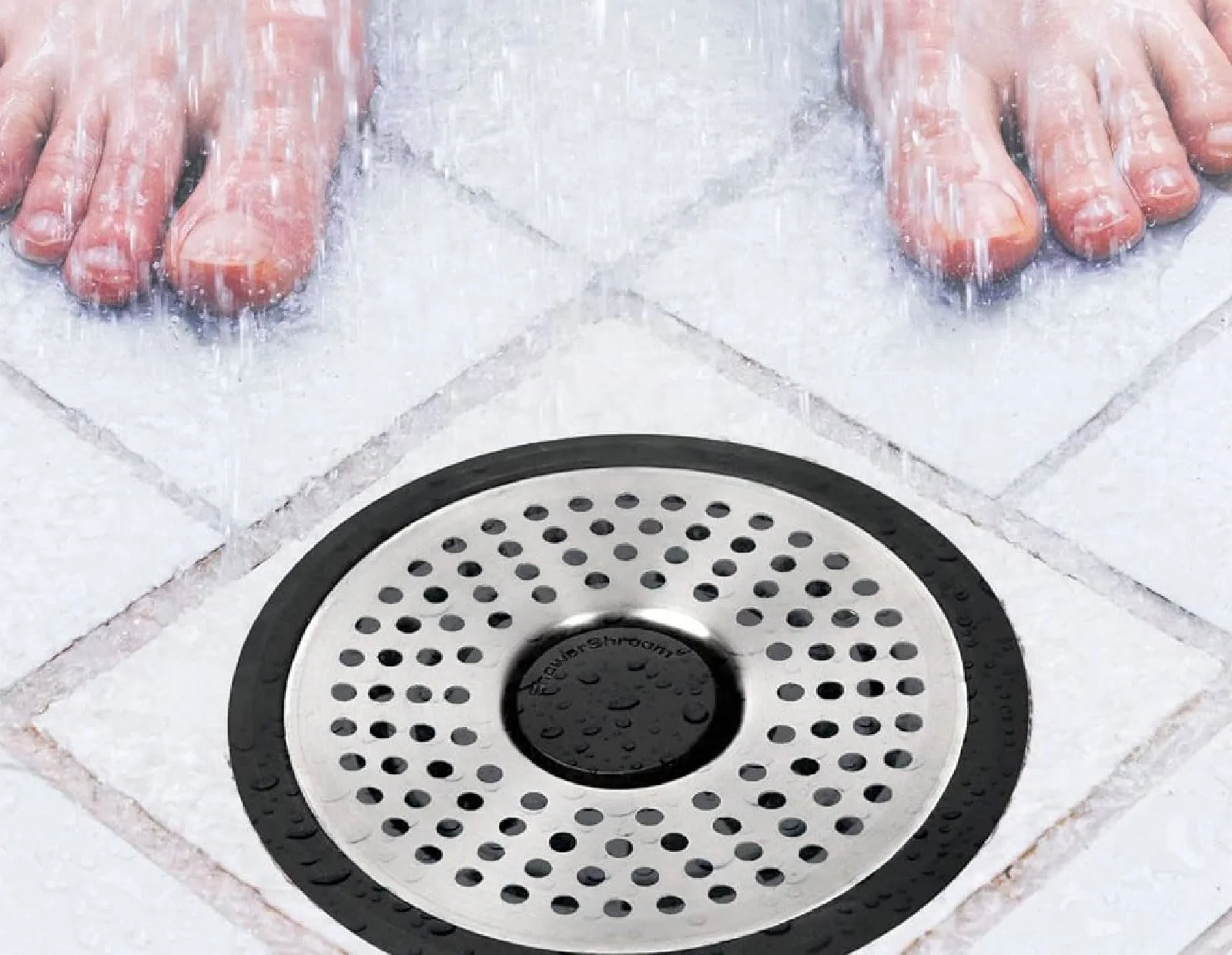
For a bathtub, that catcher is the TubShroom, which fits drains from 1.4 to 1.75 inches with the stopper out. For a flat shower floor it is the ShowerShroom Ultra, which takes the place of the round cover; for a stall shower, the Stand-Up goes under the grate. The drain size guide shows where to measure.
Five minutes a week
- Lift the catcher out once a week, or when you see the water start to pool.
- Pull the hair off the stem with a tissue and drop it in the trash, not down the toilet.
- Rinse the catcher under the tap and put it back.
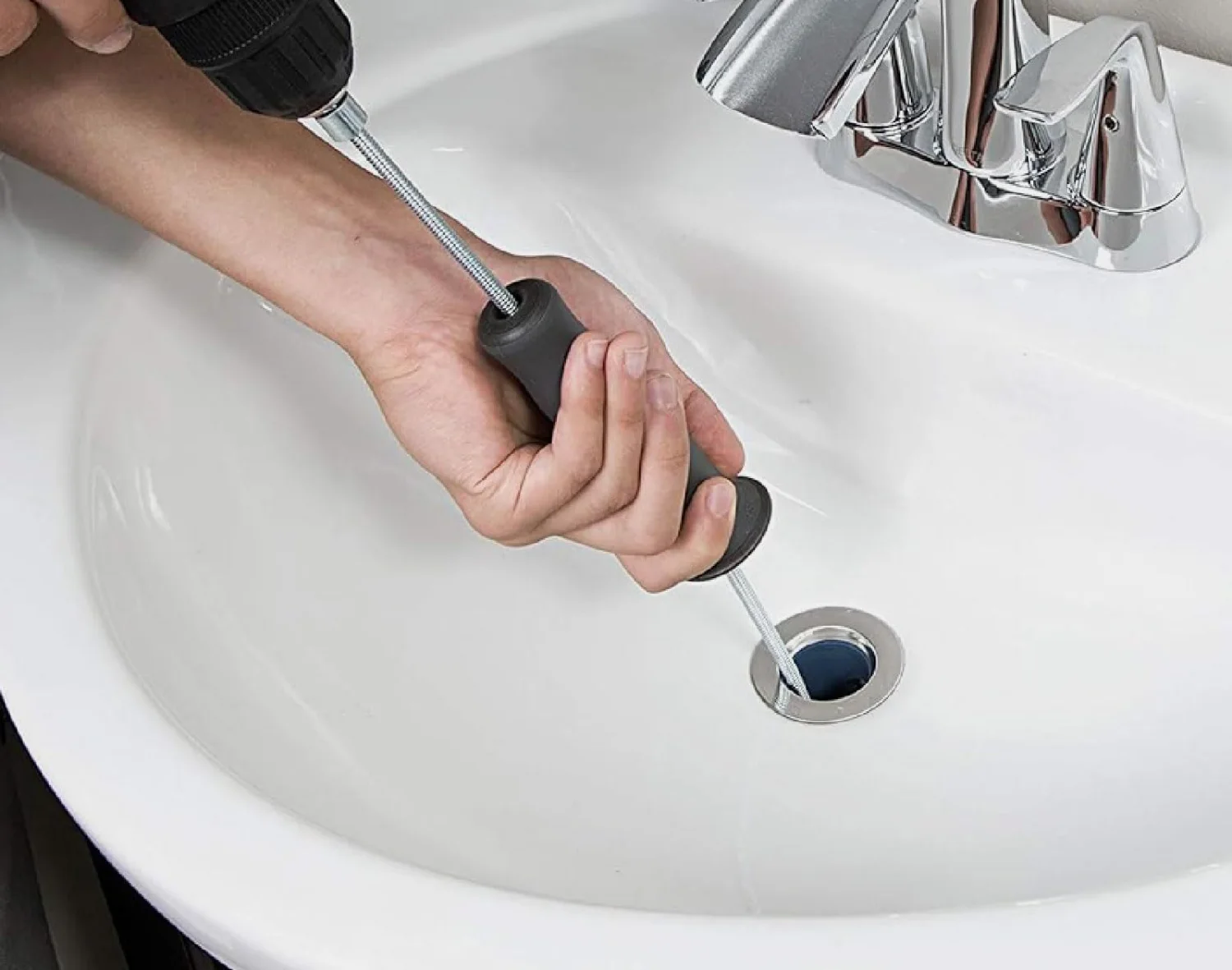
- If the water is slow with a clean catcher in place, the clog is further down: use a drain snake, not a bottle.
The last point matters. A catcher keeps new hair out of the pipe, but the rope that formed before it went in is still there. A hand snake pulls it out in one go. A chemical drain cleaner dissolves it with strong acid or lye, and Poison Control asks anyone using one to wear goggles and rubber gloves and to pour close to the drain to avoid splashing. The EPA counts leftover drain cleaner as household hazardous waste. A snake and a catcher skip all of that.
That is the whole routine. The drain still needs you once a week; it just needs you for a minute instead of an afternoon. Every catcher in the ShowerShroom range is cut for one kind of drain, so start with the one you are standing over.


